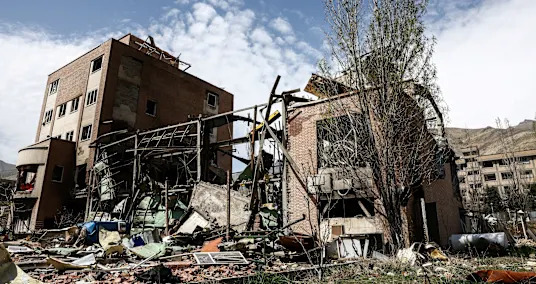
In Tehran, a city of nine million people, schools are closed, businesses are shuttered or struggling, and locals are living without a functioning air-raid warning system or public shelters. In many areas, the first sign of an incoming strike is the explosion itself.
There have been twice as many US and Israeli attacks on Iran compared to the number of Iranian retaliatory strikes since the war began — and the numbers killed in Iran have been orders of magnitude greater than in the neighboring Gulf states. A nationwide internet blackout, now entering its second month, has left civilians unable to access information about safety, shelter, and food and has meant some are unable to work. But while millions have fled Iran’s cities, many more are staying where they are. Some residents are hoping the US and Israeli bombs will cause the regime to collapse; others are left wondering if they are at risk if their neighbors are targeted.
For the many Iranians with ties to Dubai, there are other pressures, with Iranian nationals now barred from entering or transiting through the UAE. Residency permits, even for those with long-term Golden Visas, are reportedly being revoked without notice.

latest_posts


 Burger King launches 'SpongeBob' menu ahead of film's release. A look at the Bikini Bottom-inspired meal, plus what taste testers are saying.
- Iran begins cloud seeding to induce rain amid historic drought
- Merz says army could be involved in mine-clearing from Hormuz
- 10 Distinct Kinds of Chinese Neighborhood Specialty Hot Pot
- Investigate Something else for Less: Financial plan Travel Objections
- Ancient eggshells shed new light on crocodiles that hunted prey from trees
- Public mistrust linked to drop in deceased donor organ donations and kidney transplants
- German politician urges more face-to-face interaction in digital age
- Agios Pharma shares jump as US FDA expands approval for its blood disorder drug